
1. Ethnic Composition: Belgium and Sri Lanka
- Ethnic Group (Glossary Definition): “A social division based on shared culture. People belonging to the same ethnic group believe in their common descent because of similarities of physical type or of culture or both.”
- Belgium Overview: यह Europe का एक छोटा देश है, जिसका area भारत के Haryana state से भी छोटा है। इसकी borders France, Netherlands, Germany और Luxembourg से लगती हैं।
- Ethnic Breakdown of Belgium:
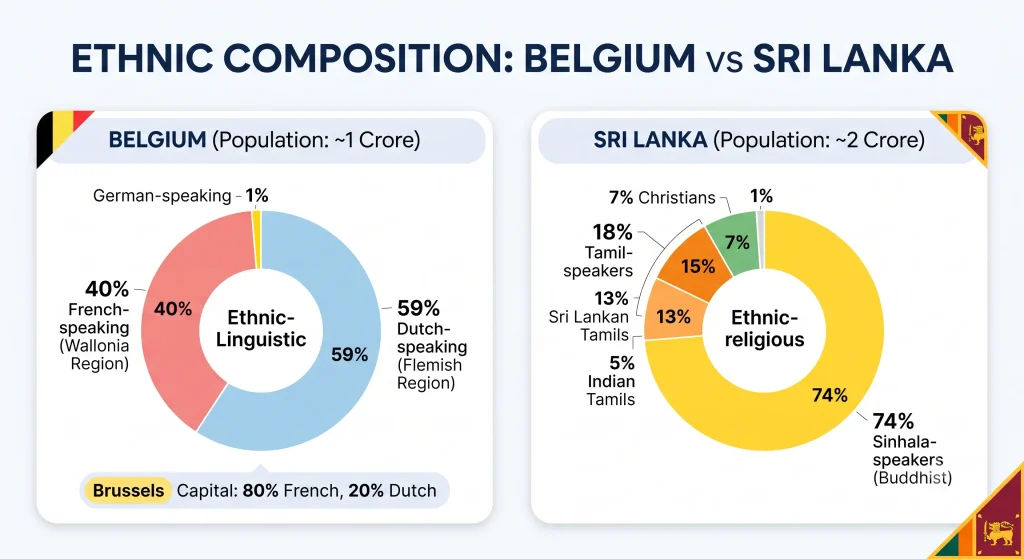
- Flemish Region: 59% population रहती है और Dutch language बोलती है।
- Wallonia Region: 40% people रहते हैं और French language बोलते हैं।
- Remaining 1%: 1% Belgian लोग German language बोलते हैं।
- Capital Brussels (Special Problem): Brussels में 80% लोग French-speaking हैं जबकि केवल 20% लोग Dutch-speaking हैं। Country-wide Dutch majority में थे लेकिन capital city में minority बन गए।
- Root of Tension in Belgium: French minority relatively rich और powerful थी। Dutch community को education और economic development का फायदा काफी बाद में मिला, जिसकी वजह से 1950s और 1960s में दोनों communities के बीच tensions बढ़ गए।
- Ethnic Breakdown of Sri Lanka:
- Sri Lanka एक island nation है जो Tamil Nadu के southern coast से कुछ किलोमीटर दूर स्थित है।
- Sinhala-speakers: 74% (Major social group; इनमें से अधिकांश Buddhists हैं)।
- Tamil-speakers: 18% (इनमें अधिकांश Hindus या Muslims हैं)।
- Sri Lankan Tamils (13%): Country के native residents, जो mainly North और East regions में concentrated हैं।
- Indian Tamils (5%): जिनके पूर्वज colonial period में India से plantation workers के रूप में लाए गए थे।
- Christians: 7% (जो Sinhala और Tamil दोनों languages बोलते हैं)।
2. Majoritarianism in Sri Lanka
- Majoritarianism (Glossary Definition): “A belief that the majority community should be able to rule a country whichever way it wants, by disregarding the wishes and needs of the minority.”
- 1956 Act & Discriminatory Policies:
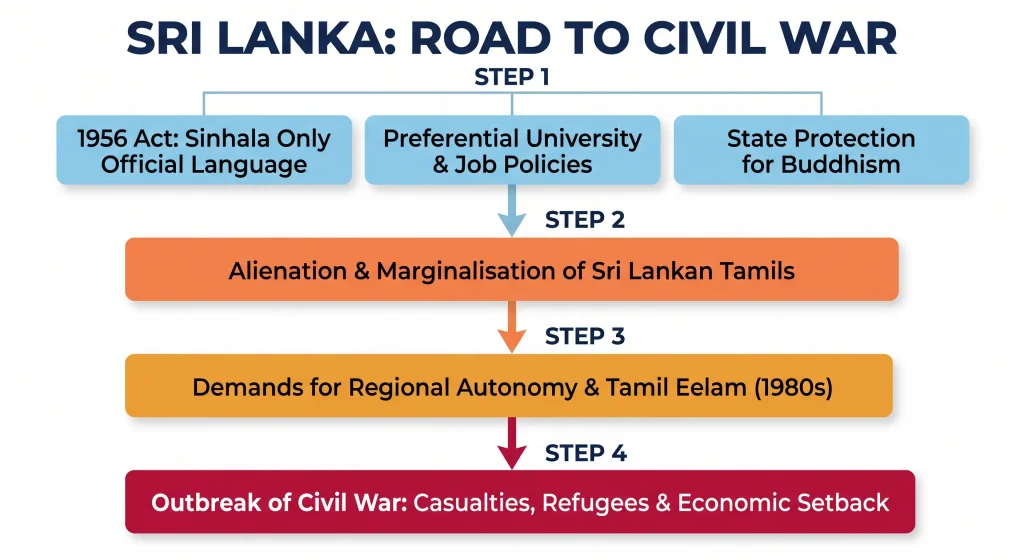
- Official Language: 1956 में एक Act pass करके Sinhala को एकमात्र official language घोषित कर दिया गया, जिससे Tamil language पूरी तरह disregard हो गई।
- Preferential Policies: Government jobs और university admissions में Sinhala applicants को direct priority दी गई।
- State Religion: नए constitution के तहत state को Buddhism को protect और foster करने की duty दी गई।
- Consequences of Majoritarianism:
- Feeling of Alienation: Sri Lankan Tamils को महसूस हुआ कि constitution और government policies उन्हें equal political rights से वंचित कर रही हैं।
- Demand for Tamil Eelam: 1980s तक political organisations बनीं जिन्होंने Northern और Eastern Sri Lanka में एक independent Tamil Eelam (State) की मांग शुरू कर दी।
- Outbreak of Civil War: Mutual distrust भीषण conflict में बदल गया, जिससे widespread Civil War शुरू हुआ। Thousands of people मारे गए, लाखों लोग refugees बने और देश के social, cultural और economic development को भारी setback लगा (यह युद्ध 2009 में समाप्त हुआ)।
3. Accommodation in Belgium (The Belgian Model)
- Constitutional Amendments: 1970 से 1993 के बीच Belgian leaders ने अपने constitution को four times amend किया ताकि सभी communities बिना conflict के शांतिपूर्वक साथ रह सकें।
- Key Elements of the Belgian Model:
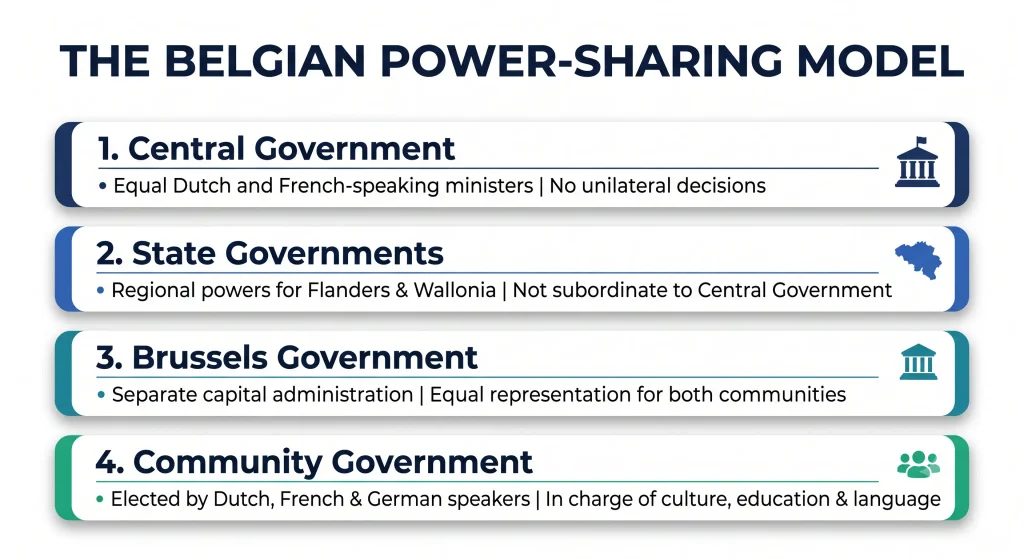
- Equal Representation at Centre: Central Government में Dutch-speaking और French-speaking ministers की संख्या बराबर तय की गई। Special laws पास करने के लिए दोनों linguistic groups की majority support compulsory है, जिससे कोई single community unilaterally decision न ले सके।
- State Autonomy: Central Government की कई powers दो regional State Governments को सौंप दी गईं। State Governments, Central Government के subordinate नहीं हैं।
- Separate Setup for Brussels: Brussels की separate government में दोनों communities को equal representation दिया गया। French community ने Brussels में equal status accept किया क्योंकि Dutch community ने Central Government में equal representation accept किया था।
- Community Government: Central और State level के अलावा एक तीसरी government बनाई गई—Community Government। यह government एक specific language community (Dutch, French, German) के लोगों द्वारा elect होती है और इसके पास cultural, educational और language-related issues पर exclusive powers होती हैं।
- Impact of Accommodation: इस model ने civil strife और country के linguistic partition को सफलता से रोक लिया। इसी stability के कारण जब European Union बना, तो Brussels को उसका Headquarters चुना गया।
4. Why is Power Sharing Desirable?
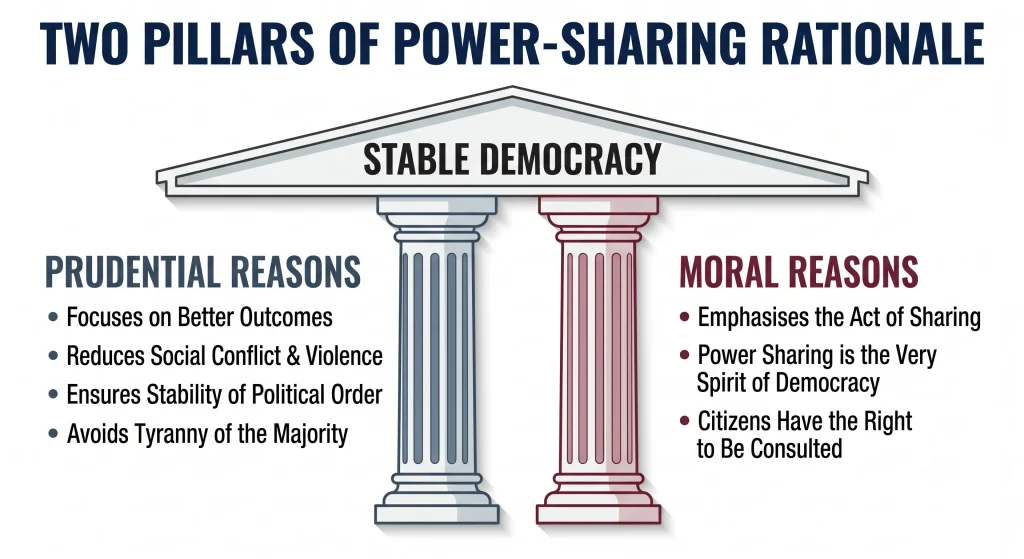
CBSE Board exams में power sharing के support में दो distinct sets of reasons पूछे जाते हैं:
- Prudential Reasons:
- Definition: “Prudential decisions are based on prudence, or on a careful calculation of gains and losses.”
- Explanation: Power sharing different social groups के बीच conflict की possibility को reduce करता है। चूंकि social conflicts violent रूप लेकर political instability लाते हैं, इसलिए power sharing political order की stability बनाए रखने का practical तरीका है।
- Moral Reasons:
- Explanation: Power sharing democracy की very spirit (आत्मा) है। एक genuine democratic rule में power उन सभी लोगों के साथ share होनी चाहिए जो उसके exercise से प्रभावित होते हैं। Citizens को यह अधिकार है कि उनसे consult किया जाए कि उन्हें कैसे govern किया जाना चाहिए।
5. Forms of Power-Sharing in Modern Democracies
Modern democracies में power sharing चार primary forms में execute होती है:
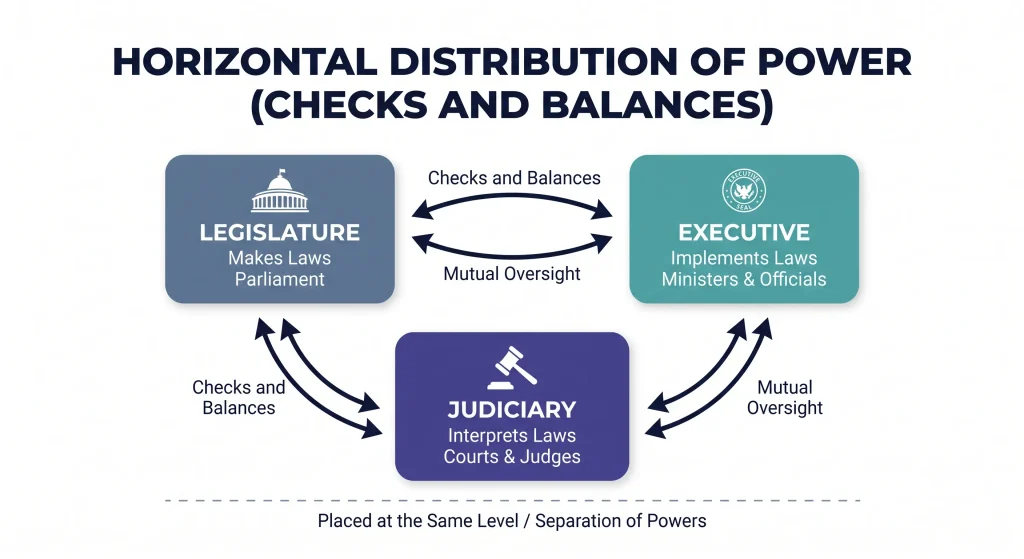
(i) Horizontal Distribution of Power (Separation of Powers)
- Definition / Mechanism: Power को government के different organs (Legislature, Executive, Judiciary) के बीच same level पर distribute किया जाता है।
- System of Checks and Balances:
- कोई भी organ unlimited power exercise नहीं कर सकता।
- हर organ दूसरे organ की functioning को check करता है। Ministers Parliament के प्रति accountable होते हैं और Executive द्वारा appoint किए गए Judges laws और executive orders की validity को review कर सकते हैं।
(ii) Vertical Division of Power (Federal Division)
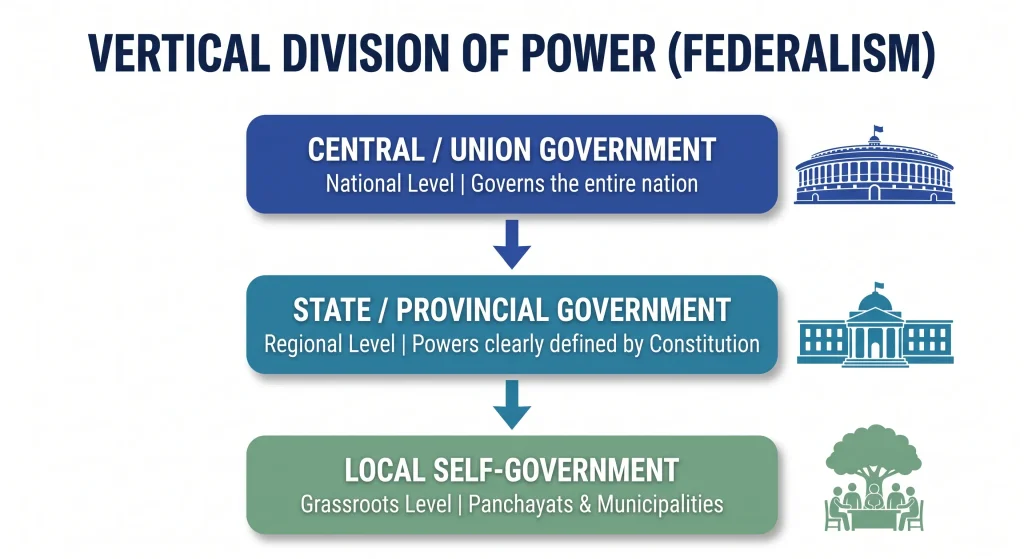
- Definition / Mechanism: Power को higher और lower levels of government के बीच share किया जाता है (Central/Union Government $\rightarrow$ State/Provincial Government $\rightarrow$ Municipality/Panchayat)।
- Explanation: Constitution clearly define करता है कि किस level के पास क्या jurisdiction और powers होंगी। इसे Federal Government system कहा जाता है।
(iii) Power Sharing Among Different Social Groups
- Explanation: Power को diverse religious और linguistic groups के बीच साझा किया जाता है।
- Examples:
- Belgium की Community Government।
- India में socially weaker sections और women के लिए Reserved Constituencies का constitutional provision, ताकि minority और marginalized communities alienated feel न करें।
(iv) Power Sharing Among Political Parties, Pressure Groups, and Movements
- Explanation: Democracy में citizen choices और competition ensure करते हैं कि power किसी एक hand में concentrate न रहे।
- Coalition Government & Influence:
- जब two or more political parties मिलकर alliance बनाती हैं और चुनाव जीतकर government form करती हैं, तो direct power sharing होती है जिसे Coalition Government कहते हैं।
- Interest groups (जैसे Traders, Industrialists, Farmers, Workers) government decision-making processes और committees में participate करके policy formulation को shape करते हैं।
6. Textual Cartoons, Illustrations & Case Studies
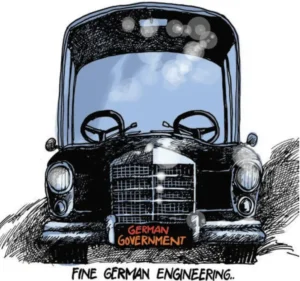
- Cartoon 1: “Fine German Engineering” (German Grand Coalition):
- Visual: दो steering wheels वाली एक car, जिस पर “German Government” लिखा है।
- Meaning & Context: 2005 के elections में Germany की दो major rival parties—Christian Democratic Union (CDU) और Social Democratic Party (SPD)—को clear majority नहीं मिली। उन्होंने मिलकर Grand Coalition बनाया। दो steerings divergent policies और dual control के pressure को symbolize करते हैं, फिर भी government stability के साथ run की गई।
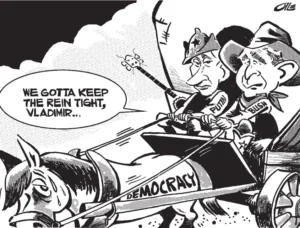
- Cartoon 2: “Reigning the Reins” (Putin and Bush):
- Visual: President Vladimir Putin और US President George W. Bush घोड़े की लगाम कसकर पकड़े हुए हैं, जिस घोड़े पर ‘Democracy’ लिखा है।
- Meaning & Context: यह 2005 के Russian laws को depict करता है जहाँ President को excessive centralized powers दी गई थीं। कार्टून satirize करता है कि excessive control और concentration of power democracy की true spirit को suppress कर देते हैं।
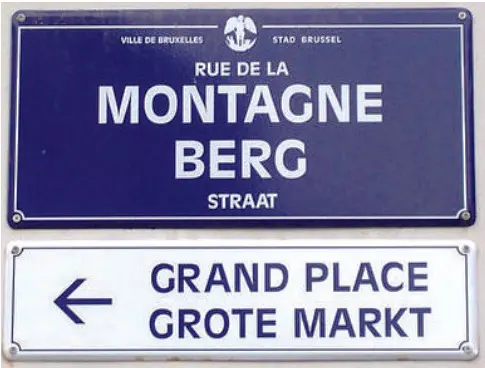
- Illustration / Photo: Brussels Bilingual Signboard:
- Visual: Street signboard containing directions in both French (“Rue de la Montagne”) और Dutch (“Bergstraat”)।
- Significance: यह Belgium के accommodation policy का daily life example है, जहाँ both communities को public identity और recognition में equal status दिया गया है।
- Case Study: Khalil’s Dilemma (Lebanon Model):
- Context: Beirut (Lebanon) में civil war के बाद pact बना: President Maronite Catholic Christian होगा, Prime Minister Sunni Muslim होगा, Deputy PM Orthodox Christian होगा और Speaker Shi’a Muslim होगा।
- The Conflict: Khalil के parents different communities से हैं और वह non-religious democracy चाहता है जहाँ regular elections हों। लेकिन elders का मानना है कि rigid communal power-sharing agreement ही Lebanon में civil peace की guaranteed shield है।
7. High-Yield Board Exam Pointers
- Key Distinction (Prudential vs. Moral): Prudential reason outcomes और conflict avoidance पर concentrate करता है; Moral reason democracy की intrinsic value पर concentrate करता है।
- Constitutional Frequency: Belgium ने 1970 और 1993 के बीच अपने constitution को 4 बार amend किया।
- Repeated 5-Marker: “Explain the majoritarian measures adopted in Sri Lanka” (Mention: 1956 Act, Sinhala language supremacy, preferential job quotas, constitutional state protection to Buddhism).
- Crucial 3-Marker: “How is Horizontal power distribution different from Vertical distribution?” (Horizontal levels maintain checks and balances between organs; Vertical levels assign superior and subordinate jurisdictions between tiers of government).