
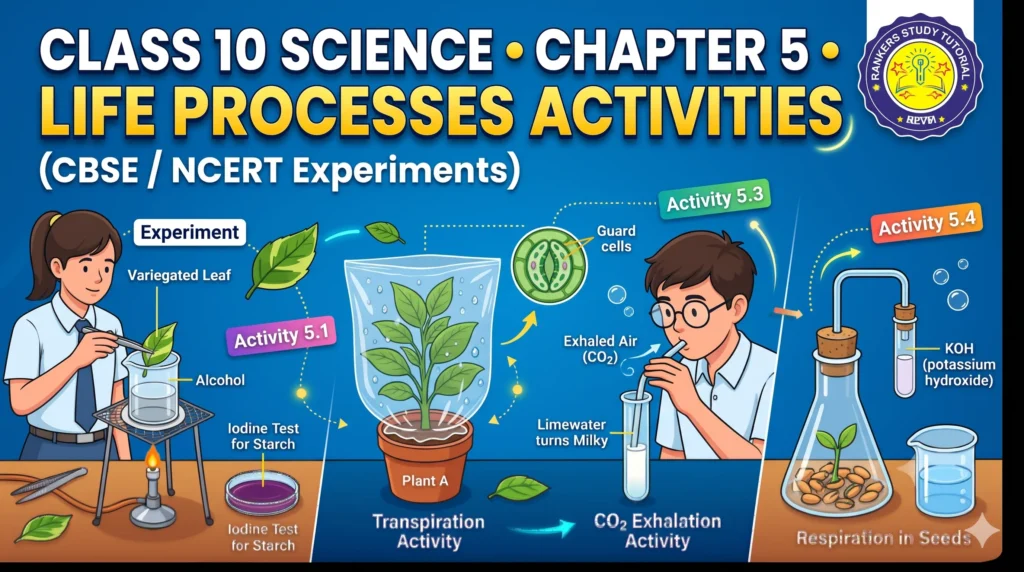
Class 10 Science Chapter 5 Activities | Life Processes
Activity 5.1: Essentiality of Chlorophyll for Photosynthesis
Starch Test on Variegated Leaves
Experimental Procedure
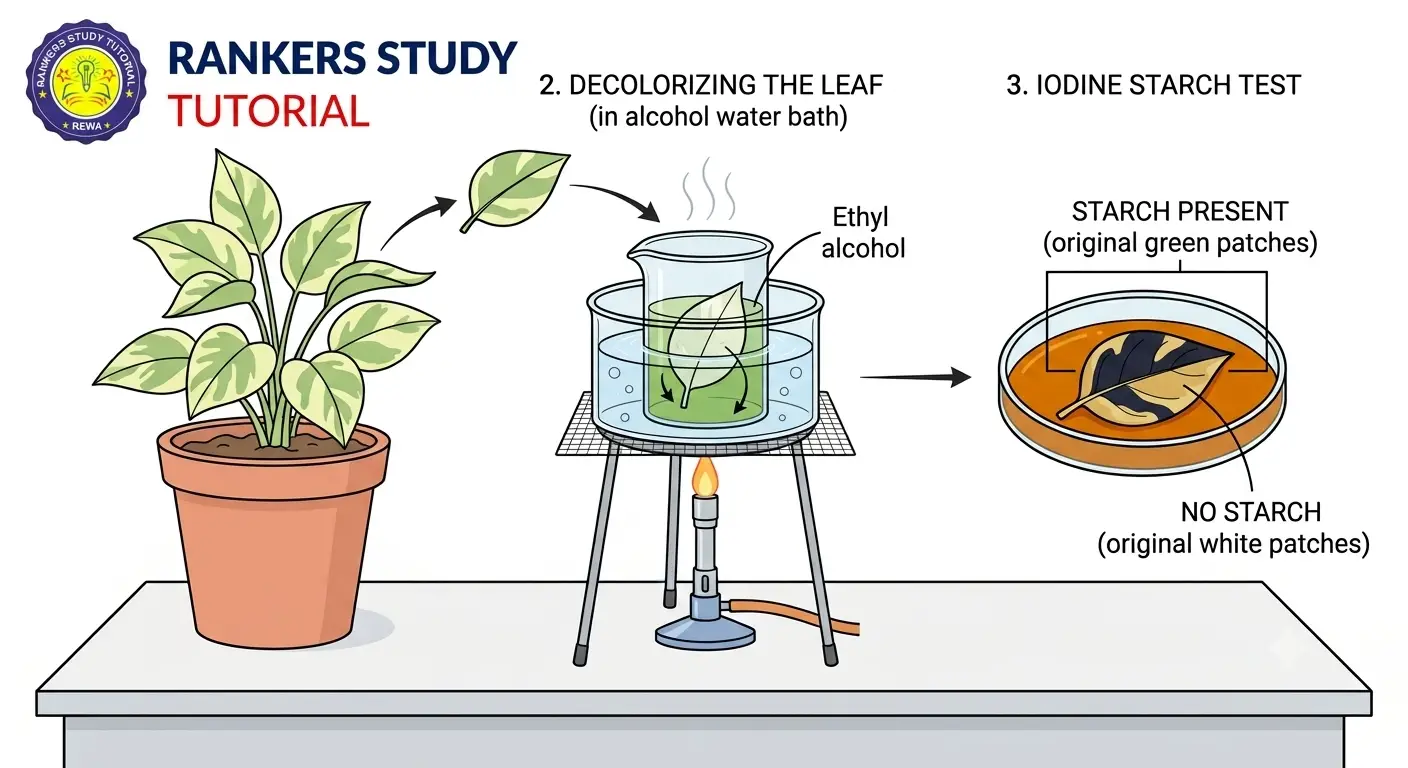
- Take a potted plant with variegated leaves, such as a money plant or crotons.
- Keep the plant in a dark room for three days so that all accumulated starch is completely consumed.
- Place the plant in bright sunlight for about six hours.
- Pluck a leaf, trace its green and non-green patches on a sheet of paper, dip it in boiling water, and then decolorize it by heating in an alcohol water-bath.
- Immerse the decolorized leaf in a dilute iodine solution for a few minutes, rinse off excess iodine, and compare color changes with the initial tracing.
Observations & Chemical Mechanism
- Observation: Only the areas that were green originally turn blue-black with iodine solution, while the non-green patches remain brown or yellow.
- Chemical Identity: Iodine reacts with starch to produce a dark blue-black complex. Chlorophyll traps solar light energy required for synthesizing glucose, which is stored as starch.
- Inference: Chlorophyll is strictly essential for the process of photosynthesis.
Q1: Why is the potted plant kept in a dark room for three days prior to performing Activity 5.1?
Answer: Keeping the plant in the dark starves it of light, forcing it to consume all its stored starch reserves through respiration. This ensures that any starch detected later is newly synthesized during the experiment.
Q2: Why is the leaf immersed in boiling alcohol inside a water-bath rather than heated directly over a burner flame?
Answer: Alcohol is highly volatile and flammable. Direct heating over an open flame would ignite the alcohol vapors and cause a laboratory fire. A water-bath provides safe, indirect heating to extract green chlorophyll pigments into the solvent.
Q3 (Application Based): What would happen if a completely green leaf from a plant kept in continuous darkness for 4 days is tested with iodine? Explain
Answer: The leaf will show no blue-black color change with iodine. Without sunlight over several days, photosynthesis cannot occur, and all pre-existing starch reserves are depleted.
Q4 (Application Based): Explain why chlorophyll molecules are specifically housed inside chloroplast cell organelles rather than freely floating in the plant cytoplasm.
Answer: Chloroplasts provide a specialized, compartmentalized membrane system (thylakoids) that organizes chlorophyll molecules and enzymes in optimal geometric alignment to capture light energy and drive photolysis and ATP synthesis efficiently.
Activity 5.2: Essentiality of Carbon Dioxide for Photosynthesis
Using Potassium Hydroxide (KOH) to Absorb Carbon Dioxide in a Bell-Jar Setup
Experimental Procedure
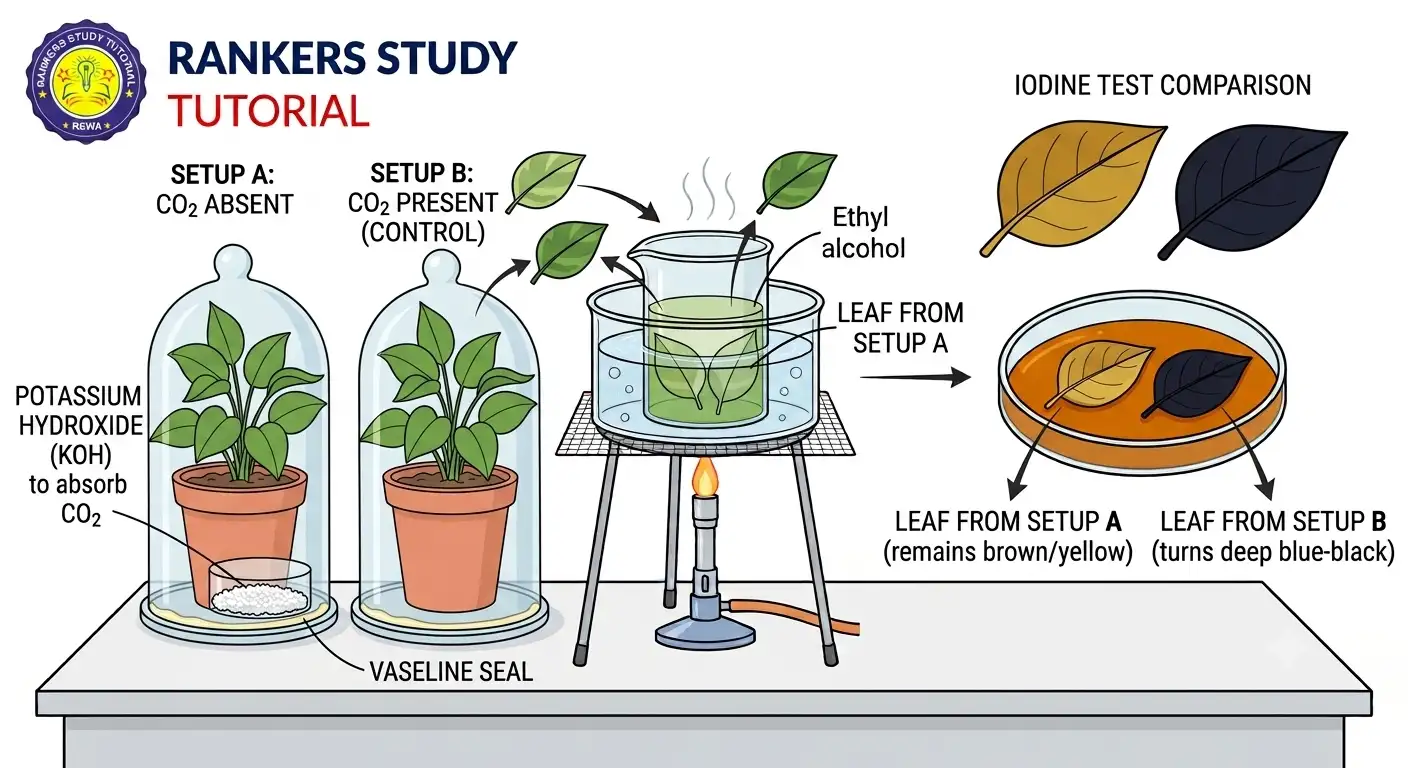
- Take two healthy potted plants of nearly identical size and keep them in a dark room for three days.
- Place each plant on separate glass plates. Place a watch-glass containing potassium hydroxide (KOH) crystals beside plant (a) to absorb carbon dioxide.
- Cover both plants with separate transparent bell-jars and seal the bottom edges airtight using vaseline.
- Expose both bell-jar setups to sunlight for about two hours.
- Pluck a leaf from each plant and test for starch using iodine solution.
Observations & Chemical Mechanism
- Observation: The leaf from the plant enclosed with KOH does not turn blue-black with iodine, whereas the leaf from the control plant turns deep blue-black.
- Chemical Identity: Potassium hydroxide is a strong alkali that reacts chemically with carbon dioxide to form potassium carbonate and water:
2KOH + CO₂ → K₂CO₃ + H₂O - Inference: Carbon dioxide is an essential raw material required by green plants to perform photosynthesis.
Q1: What is the specific chemical function of potassium hydroxide (KOH) kept inside the bell-jar in Activity 5.2?
Answer: Potassium hydroxide acts as a chemical absorbent that traps and removes carbon dioxide gas from the air trapped inside the bell-jar.
Q2: Why is vaseline applied around the bottom rim where the bell-jar meets the glass plate?
Answer: Vaseline acts as an airtight sealant preventing atmospheric air from leaking into the bell-jar, ensuring that the enclosed plant depends solely on the modified internal atmosphere.
Q3 (Application Based): If a plant is kept in an airtight chamber enriched with 5% carbon dioxide instead of normal air, how will its rate of starch production be affected initially?
Answer: Initially, the rate of photosynthesis and starch accumulation will increase sharply because carbon dioxide is a primary gaseous substrate. However, beyond a certain threshold, other factors like light intensity or temperature will become rate-limiting.
Q4 (Application Based): How do desert plants manage carbon dioxide uptake for photosynthesis without suffering excessive transpirational water loss?
Answer: Desert plants open their stomata at night to absorb carbon dioxide and store it as an organic acid intermediate. During the intense daylight hours, their stomata remain tightly closed to conserve water while sunlight drives photosynthesis using the stored carbon intermediate.
Activity 5.3: Action of Saliva on Starch
Enzymatic Breakdown of Starch by Salivary Amylase in the Buccal Cavity
Experimental Procedure
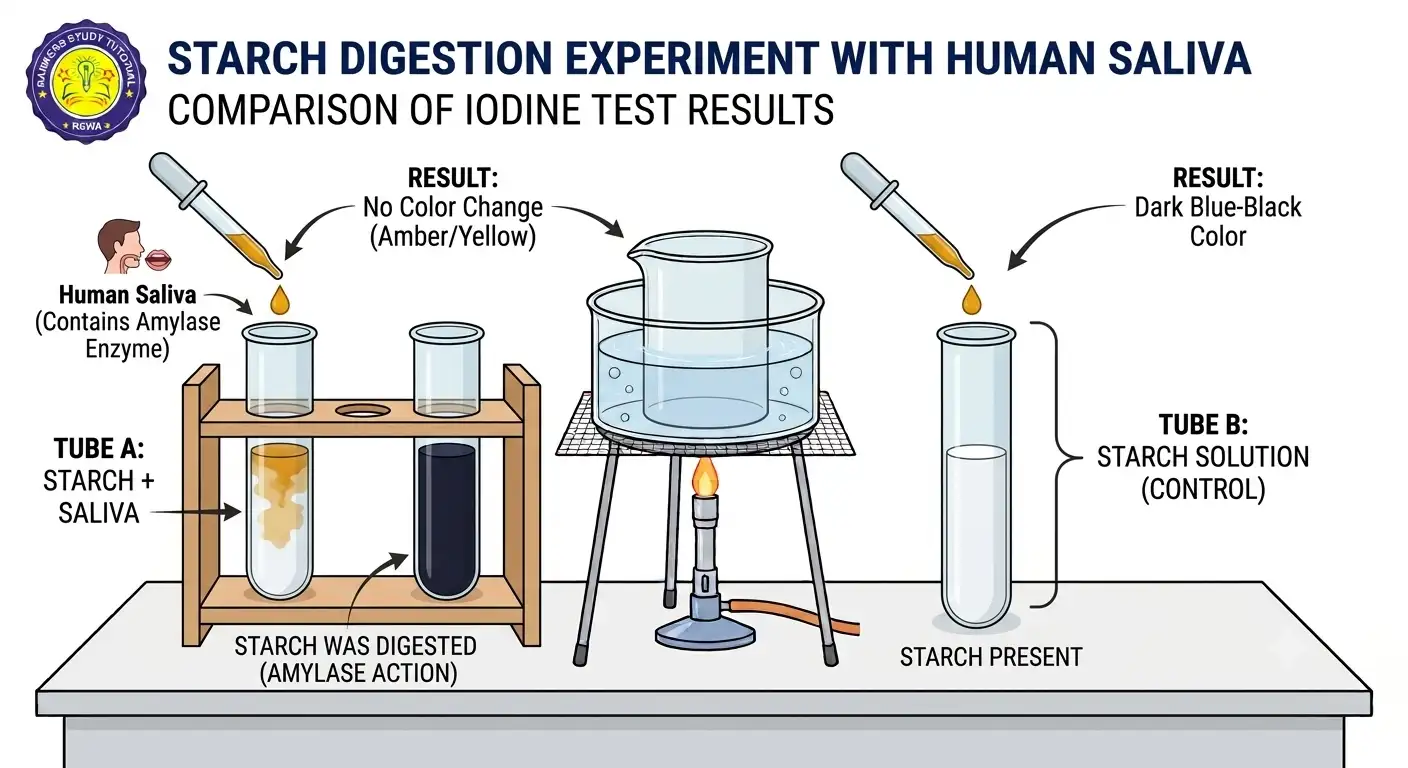
- Prepare 1 mL of 1% starch solution in two separate clean test tubes labeled A and B.
- Add 1 mL of freshly collected human saliva to test tube A, while leaving test tube B as a control without saliva.
- Allow both test tubes to remain undisturbed at room temperature for 20 to 30 minutes.
- Add 2 to 3 drops of dilute iodine solution to each test tube and observe color variations.
Observations & Chemical Mechanism
- Test Tube A (With Saliva): Shows no color change upon adding iodine, indicating the complete absence of starch.
- Test Tube B (Control): Turns deep blue-black upon adding iodine, confirming the persistence of unaltered starch.
- Enzymatic Action: Saliva contains an enzyme called salivary amylase (ptyalin) which catalyzes the hydrolysis of complex starch molecules into simpler maltose sugar.
Q1: Which test tube shows a blue-black color change with iodine solution, and why?
Answer: Test tube B turns blue-black because it contains unreacted starch, which forms a dark complex with iodine. Test tube A shows no color change because saliva broke down the starch into soluble sugars.
Q2: What is the biological catalyst present in human saliva, and what is its specific substrate and product?
Answer: The catalyst is salivary amylase. Its substrate is complex starch (carbohydrate), and its breakdown product is simple sugar (maltose).
Q3 (Application Based): If a person keeps a bland piece of boiled rice or bread in their mouth and chews it slowly for a few minutes without swallowing, it begins to taste noticeably sweet. Explain why.
Answer: Starch is a polysaccharide that lacks a sweet taste. Salivary amylase hydrolyzes the starch molecules into sweet-tasting maltose disaccharides during prolonged chewing in the oral cavity.
Q4 (Application Based): What happens to the catalytic activity of salivary amylase when it enters the highly acidic environment of the stomach (pH ~ 1.5 to 2.0)?
Answer: Salivary amylase is a proteinaceous enzyme with an optimal neutral to slightly alkaline pH (~6.8). The strongly acidic gastric juice in the stomach denatures its tertiary structure, halting its carbohydrate-digesting activity.
Activity 5.4: Carbon Dioxide in Exhaled Air
Comparing CO₂ Concentrations in Atmospheric Air vs. Exhaled Breath Using Lime Water
Experimental Procedure
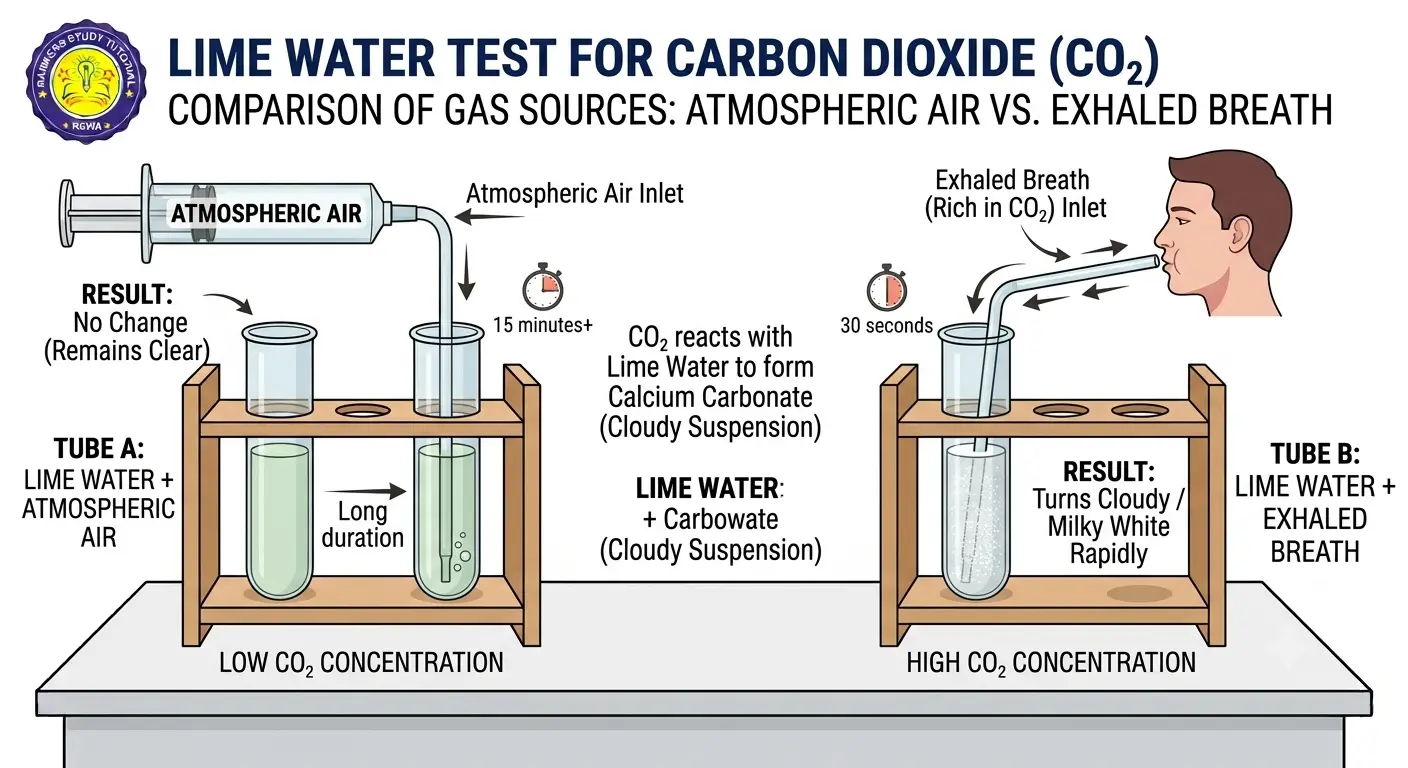
- Take freshly prepared clear lime water in two separate test tubes labeled A and B.
- Using a syringe or pichkari, pump atmospheric air continuously through the lime water in test tube A and record the time taken for milkiness.
- Using a glass straw or clean tube, exhale breath directly into the lime water in test tube B and time how long it takes to turn milky.
Observations & Chemical Mechanism
- Observation: Lime water in test tube B (exhaled breath) turns milky much faster than test tube A (pumped atmospheric air).
- Chemical Identity: Atmospheric air contains only about 0.04% CO₂, whereas exhaled breath contains approximately 4.4% CO₂ produced as a metabolic waste product of cellular respiration.
- Precipitation Reaction:
Ca(OH)₂(aq) + CO₂(g) → CaCO₃(s)↓ (white ppt) + H₂O(l)
Q1: Which test tube’s lime water turns milky faster, and what does this indicate about exhaled air?
Answer: Test tube B (exhaled air) turns milky much faster. This proves that exhaled breath contains a significantly higher concentration of carbon dioxide than atmospheric air.
Q2: Write the chemical equation for the reaction that causes lime water to turn milky when exposed to carbon dioxide.
Answer:
Ca(OH)₂(aq) + CO₂(g) → CaCO₃(s)↓ + H₂O(l), where the insoluble calcium carbonate forms a white suspension.Q3 (Application Based): Why does continuous, prolonged bubbling of exhaled breath into milky lime water eventually cause the turbidity to disappear and become clear again?
Answer: Excess carbon dioxide reacts with insoluble calcium carbonate and water to form soluble calcium hydrogencarbonate [Ca(HCO₃)₂], which dissolves in the liquid and clears the milkiness.
Q4 (Application Based): How does this activity reflect the primary metabolic purpose of cellular respiration in human tissues?
Answer: It demonstrates that cellular respiration breaks down carbon-based food molecules using oxygen to release energy, generating carbon dioxide as a volatile metabolic waste product that must be eliminated via the lungs.
Activity 5.5: Anaerobic Respiration (Fermentation by Yeast)
Detecting Carbon Dioxide and Ethanol Production in Yeast Fermentation
Experimental Procedure
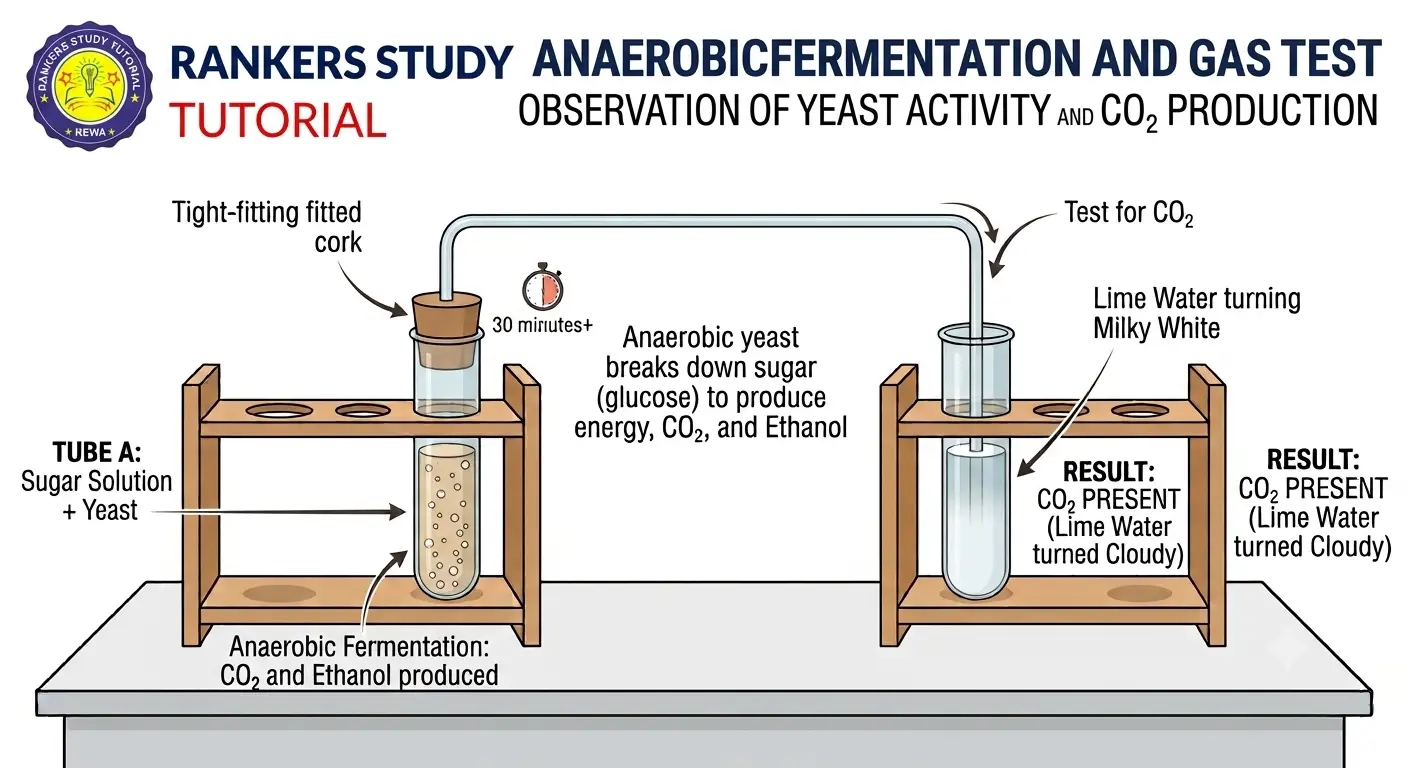
- Take some fruit juice or sugar solution in a clean test tube and add a spoonful of active baker’s yeast.
- Fit the test tube with a one-holed rubber cork carrying a bent glass delivery tube.
- Dip the free outer end of the glass delivery tube into a second test tube containing freshly prepared clear lime water.
- Keep the apparatus undisturbed in a warm place and observe changes over time.
Observations & Chemical Mechanism
- Observation: Effervescence occurs in the sugar-yeast mixture, and the lime water in the second tube turns milky white. Upon opening, a characteristic alcoholic odor is noticeable.
- Biochemical Pathway: In the absence of oxygen, yeast cells break down glucose (6-carbon) into pyruvate, and subsequently ferment pyruvate into ethanol (2-carbon) and carbon dioxide:
C₆H₁₂O₆ In Cytoplasm & Yeast → Anaerobic Respiration 2C₂H₅OH + 2CO₂ + Energy
Q1: What change is observed in the lime water during yeast fermentation, and what does it signify?
Answer: The lime water turns milky, signifying the release of carbon dioxide gas as a metabolic byproduct of anaerobic respiration (fermentation).
Q2: Name the organic compound other than carbon dioxide produced during the anaerobic breakdown of glucose by yeast.
Answer: Ethanol (alcohol) is produced alongside carbon dioxide.
Q3 (Application Based): Why do bakers add yeast to bread dough and let it rest in a warm place before baking?
Answer: Yeast ferments the sugars in the dough anaerobically, releasing carbon dioxide gas bubbles that get trapped in the gluten network, causing the dough to rise and making the baked bread soft and spongy.
Q4 (Application Based): Why do human muscle cells experience painful cramps during sudden, strenuous physical exercise?
Answer: During heavy exertion, oxygen demand outstrips the supply delivered by the blood. Muscle cells temporarily resort to anaerobic respiration, breaking down pyruvate into lactic acid. The accumulation of lactic acid causes painful muscular cramps.
Activity 5.6: Breathing Rates in Aquatic vs. Terrestrial Organisms
Observing Fish Opercular Movements and Comparing Respiration Rates
Experimental Procedure
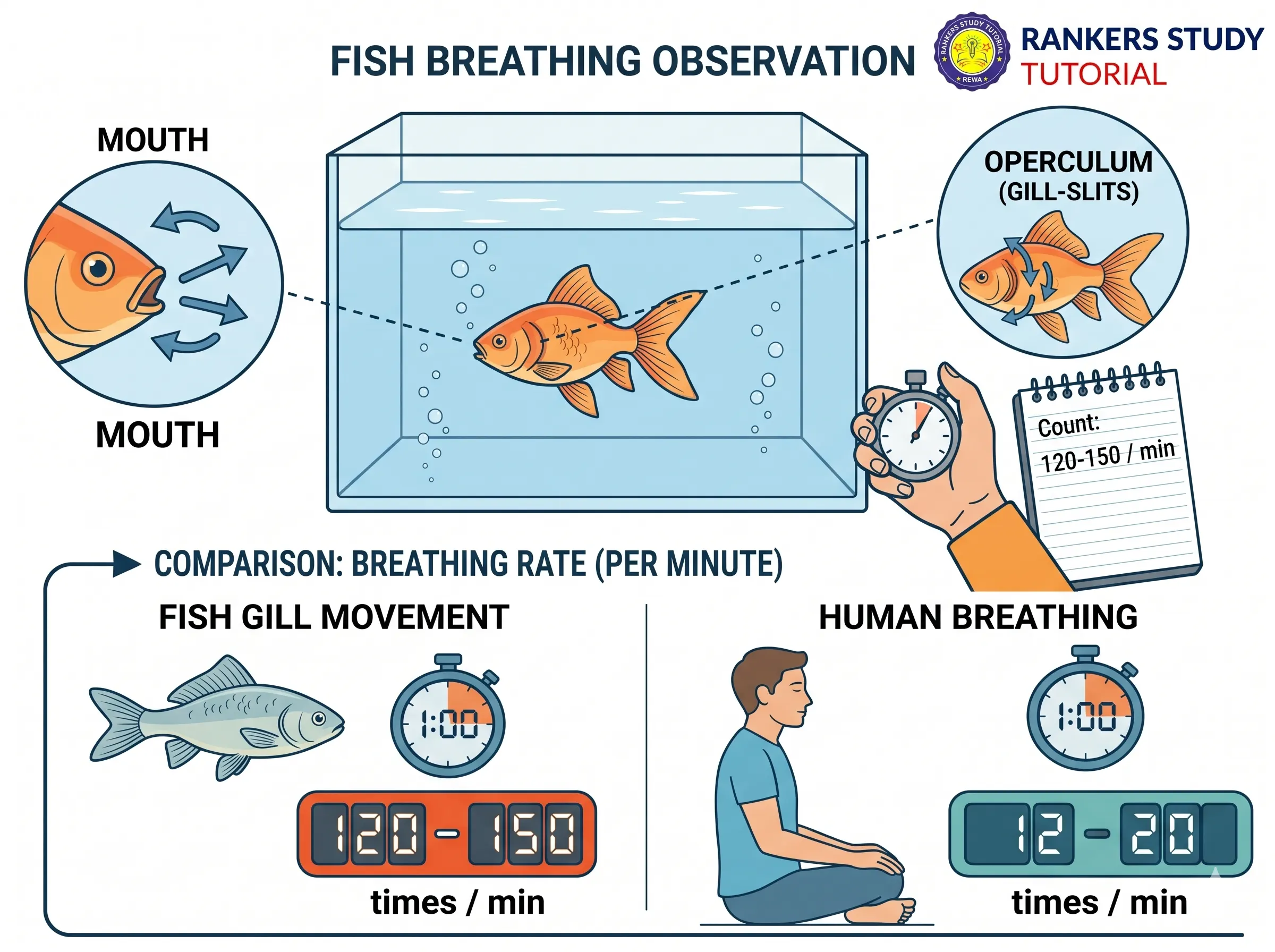
- Observe live fish inside an aquarium tank.
- Watch the rhythmic opening and closing of their mouths and gill-slits (operculum) behind their eyes.
- Count the number of times a fish opens and closes its mouth in exactly one minute.
- Compare this aquatic respiratory frequency with your own human breathing rate measured in breaths per minute.
Observations & Chemical Mechanism
- Observation: The breathing rate of fish (mouth/gill movements) is significantly faster than the normal resting breathing rate of human beings.
- Environmental Factor: Water contains a much lower concentration of dissolved oxygen compared to the high oxygen concentration available in atmospheric air.
- Physiological Adaptation: To extract sufficient oxygen to meet metabolic demands, aquatic animals must pump water past their gill filaments at a much higher velocity, resulting in a rapid breathing rate.
Q1: Why is the breathing rate of aquatic organisms much faster than that of terrestrial organisms?
Answer: The amount of dissolved oxygen in water is extremely low compared to the oxygen concentration in air. Aquatic animals must ventilate their respiratory organs much faster to extract adequate oxygen.
Q2: How do fish extract oxygen from water as it passes through their gills?
Answer: Fish take water in through their mouths and force it past their gills, where an extensive network of blood capillaries takes up dissolved oxygen from the water.
Q3 (Application Based): What survival disadvantage would an aquatic fish face if suddenly transferred into an environment with warm, stagnant water?
Answer: Warm water holds significantly less dissolved oxygen than cold water. Combined with stagnation, the fish would quickly experience severe oxygen starvation (hypoxia) and suffocate despite frantic gill ventilation.
Q4 (Application Based): Why are respiratory exchange surfaces in complex organisms (such as human alveoli or fish gills) invariably delicate and located deep within the body or protected under opercular flaps?
Answer: To allow rapid gas diffusion, exchange surfaces must be extremely thin, fine, and moist. Because this delicate structure is vulnerable to mechanical injury and desiccation, it is housed internally or shielded behind protective covers.
Activity 5.7: Haemoglobin Content in Humans and Animals
Surveying Normal Haemoglobin Ranges Across Age, Gender, and Species
Experimental Procedure
- Visit a local health clinic or medical laboratory to find the normal physiological range of haemoglobin content in human beings.
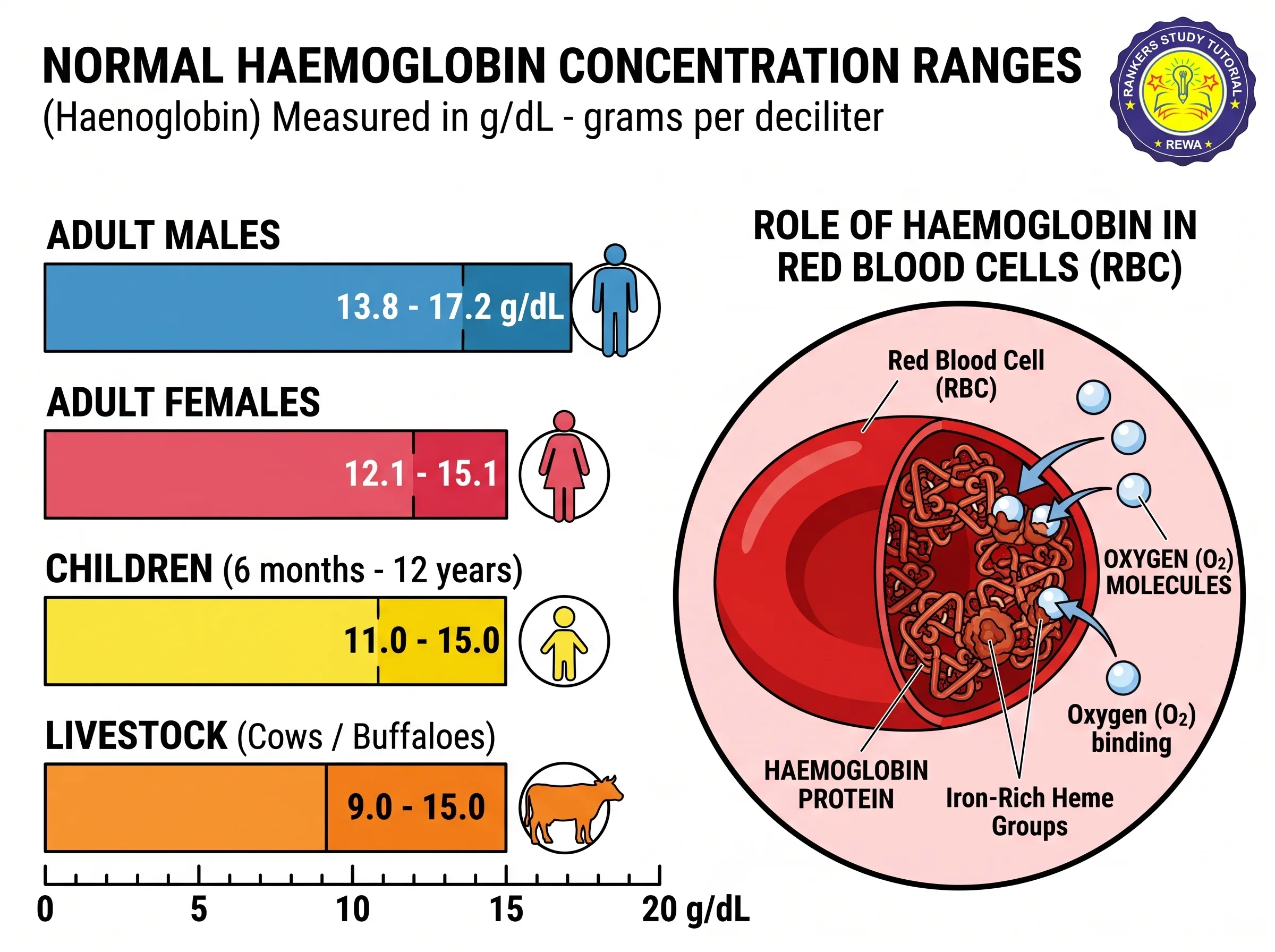
- Compare haemoglobin values across children, adult males, and adult females.
- Visit a veterinary clinic to inspect normal haemoglobin ranges in domestic livestock such as cows or buffaloes.
- Compare these values across calves, bulls, and cows to identify physiological variations.
Observations & Chemical Mechanism
- Human Variations: Adult human males typically exhibit higher haemoglobin levels (~13.5–17.5 g/dL) compared to adult females (~12.0–15.5 g/dL) due to hormonal and body mass differences.
- Biological Role: Haemoglobin is an iron-containing respiratory pigment housed inside red blood cells (RBCs) that reversibly binds oxygen in the lungs and transports it to oxygen-deficient tissues.
- Pathological Consequence: Low haemoglobin (anaemia) reduces oxygen-carrying capacity, resulting in fatigue, weakness, and cellular hypoxia.
Q1: What is the primary biological function of haemoglobin in human blood?
Answer: Haemoglobin acts as a specialized respiratory pigment in red blood cells that has a high affinity for oxygen, binding it in the lungs and transporting it to all respiring body tissues.
Q2: Why is a circulatory transport system with respiratory pigments necessary for large multicellular animals instead of simple diffusion?
Answer: In large organisms, simple diffusion is too slow to supply oxygen to deep internal cells (it would take years for oxygen to reach toes by diffusion alone). Respiratory pigments like haemoglobin accelerate and maximize oxygen delivery.
Q3 (Application Based): How does carbon monoxide (CO) poisoning prove fatal to human beings based on the chemical binding properties of haemoglobin?
Answer: Carbon monoxide binds to haemoglobin with an affinity roughly 200 to 250 times stronger than oxygen, forming stable carboxyhaemoglobin. This blocks oxygen binding sites, starving vital organs of oxygen and causing asphyxiation.
Q4 (Application Based): In what physical form is the majority of carbon dioxide transported from body tissues back to the lungs in human blood?
Answer: Unlike oxygen, carbon dioxide is significantly more soluble in water. Therefore, most metabolic carbon dioxide is transported back to the lungs dissolved directly in the blood plasma.
Activity 5.8: Demonstrating Transpiration in Plants
Investigating Water Loss via Aerial Plant Parts Using Plastic Sheet Covers
Experimental Procedure
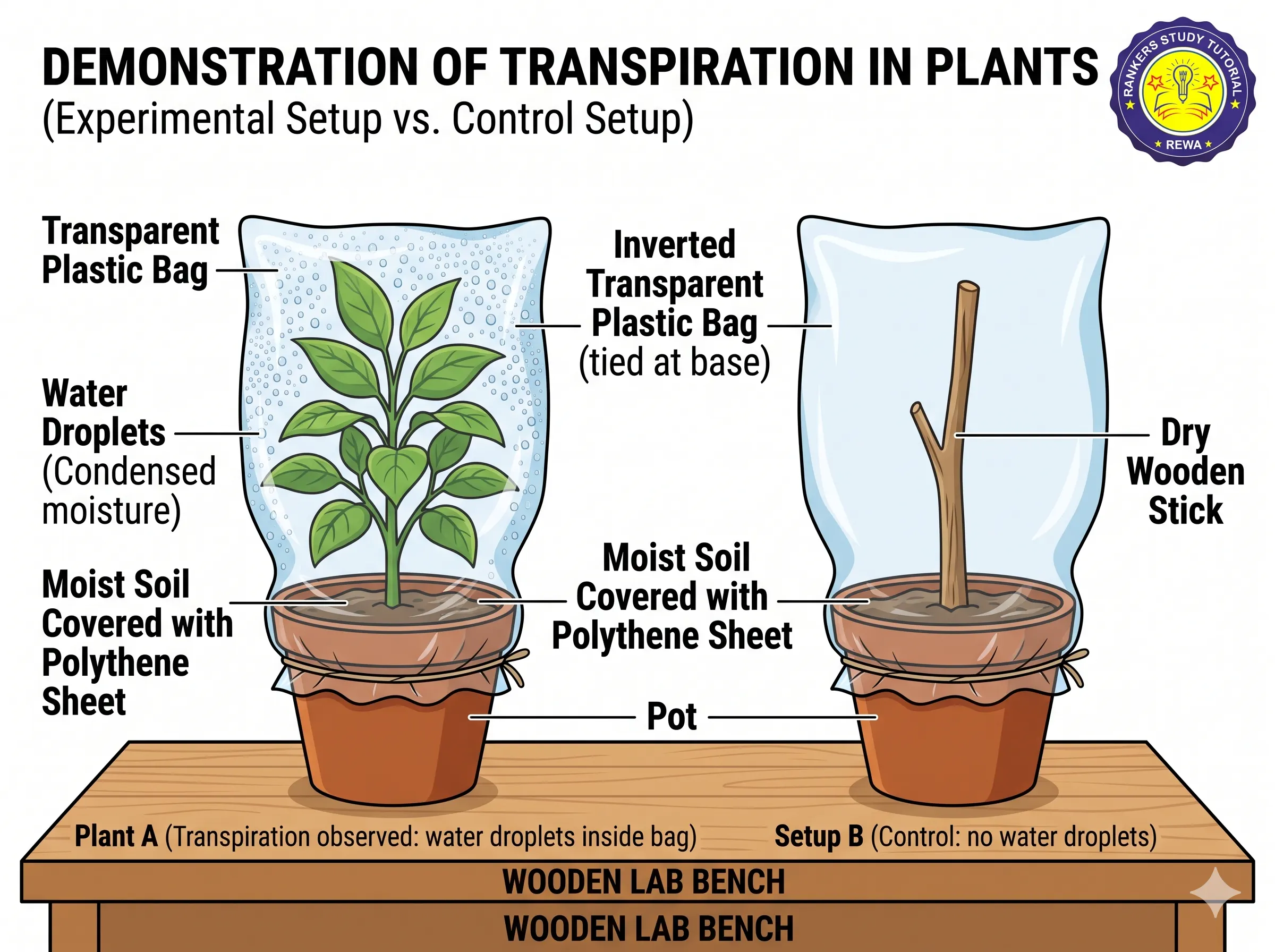
- Take two small potted plants of equal size with well-watered soil, or one potted plant and one bare wooden stick of identical height.
- Wrap and seal the soil surface in both pots tightly with polythene plastic sheets to prevent moisture evaporation directly from the soil.
- Cover the entire aerial shoot of the potted plant with a transparent plastic bag and tie it securely at the base; repeat the same cover for the stick pot.
- Place both experimental setups in bright sunlight for about half an hour and observe the inner walls of the plastic bags.
Observations & Chemical Mechanism
- Observation: Tiny droplets of liquid water condense on the inner surface of the transparent plastic bag covering the potted plant, while the bag covering the stick remains completely dry.
- Physical Process: The loss of water in the form of water vapor from the aerial parts (leaves and stems) of living plants is called transpiration.
- Driving Force: Transpiration creates a suction pull (transpiration pull) that draws water and dissolved minerals upward from the roots through xylem vessels.
Q1: What is transpiration, and why does the plastic bag covering the plant collect water droplets while the stick’s bag does not?
Answer: Transpiration is the evaporation of water vapor from the aerial parts of a living plant. The live plant transpires water vapor that condenses on the bag, whereas the dead wooden stick lacks living cells and stomata, producing no water vapor.
Q2: Why is it necessary to wrap the soil surface in both pots securely with a plastic sheet?
Answer: Sealing the soil prevents direct evaporation of water from the damp earth, ensuring that any water vapor collected inside the plastic bag originates solely from plant transpiration.
Q3 (Application Based): How does transpiration assist in the internal transport of mineral nutrients absorbed by plant roots from the soil?
Answer: Transpiration creates a continuous negative suction pressure (transpiration pull) at the leaf surface. This suction pulls water and dissolved inorganic soil minerals upward through the continuous water-conducting columns of xylem vessels.
Q4 (Application Based): Besides water transport, what other vital physiological function does transpiration perform for plants exposed to hot summer sunlight?
Answer: Transpiration provides evaporative cooling, preventing delicate leaf tissues from overheating and sustaining optimal enzymatic temperatures under intense solar radiation.